Emma Robertson Maps Electronic Music's DNA Across 20 Landmark Albums in New Book
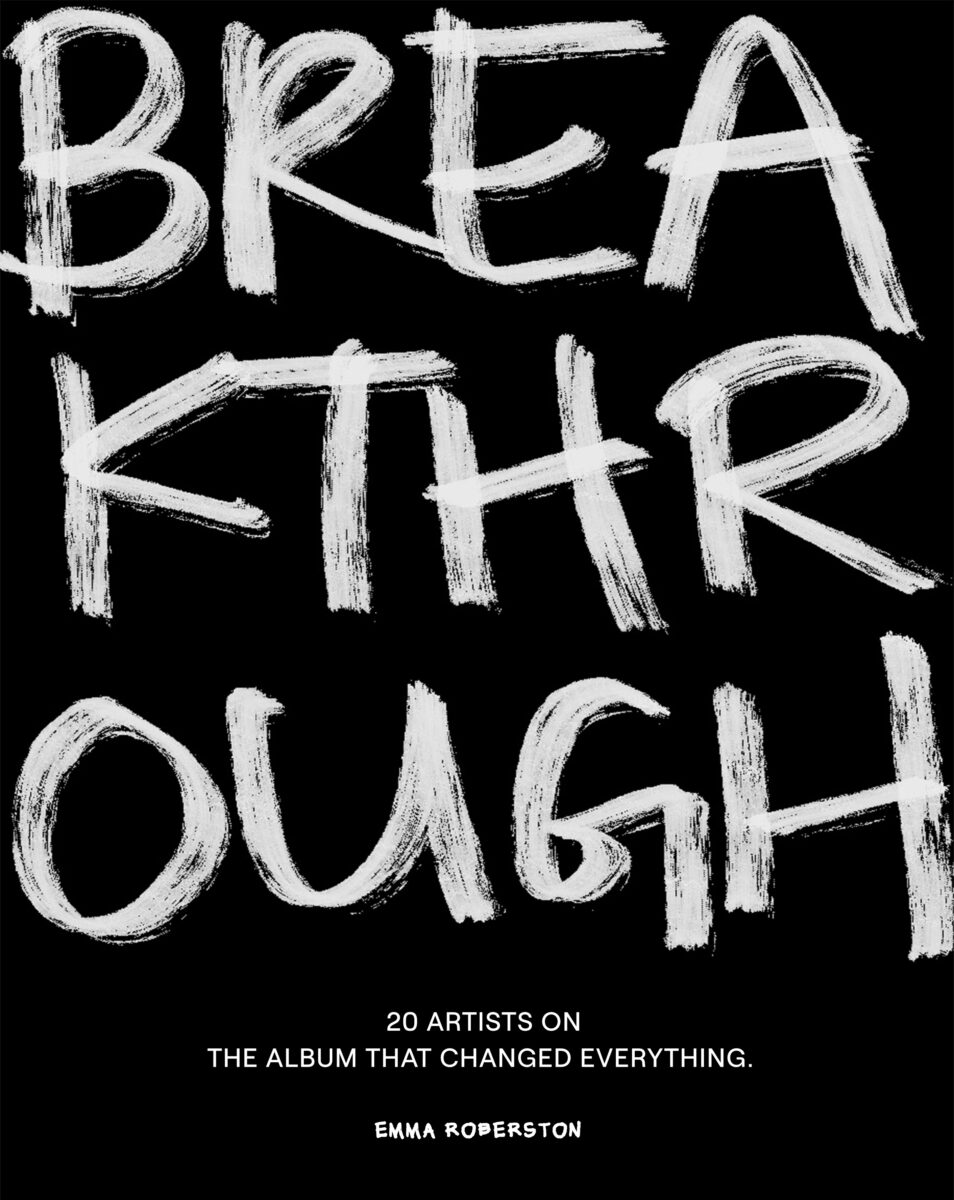
Emma Robertson's new book traces 20 landmark electronic albums, offering a cultural archaeology of a genre still debating its own identity.
There are records that don't just arrive — they reshape the atmosphere around you. They redefine what a synthesizer can feel like at 3am, or what a kick drum can mean when it lands in just the right room. Emma Robertson's new book sets out to trace exactly that lineage, moving through twenty electronic albums that didn't merely influence the genre but, in many cases, invented it.
A Literature of Listening
Robertson, whose writing has long occupied the intersection of cultural criticism and music scholarship, takes a different approach than a traditional retrospective. Rather than positioning these albums as museum pieces, she treats each one as a living document — a set of decisions made in a specific moment, by specific people, in rooms that smelled like cigarettes and solder. The writing, by all accounts, reads less like a textbook and more like an extended liner note written by someone who genuinely lost themselves inside these records.
Twenty albums is a deliberate constraint. It forces choices. And the choices Robertson makes — across a span of decades that sweeps from the early experiments of Detroit and Berlin through to the melodic architectures that now define festival main stages — are where the book earns its argument. This is not a list of the loudest or most commercially successful records. It is a cartography of influence.
Why Now
The timing feels significant. Electronic music in 2026 exists in a curious state of self-awareness. Genres that spent years resisting definition — is it progressive house or melodic techno? does the label even matter? — are now being litigated with genuine passion across every corner of the internet. Robertson's book arrives as a kind of grounding wire, a reminder that the sounds being argued about today have deep, specific roots worth understanding.
For listeners who came to electronic music through the atmospheric sweep of artists like Tale of Us or ARTBAT, the book offers a kind of archaeology. For those who remember the original releases, it offers something rarer: a thoughtful account of why those records mattered beyond the moment they dropped.
Twenty Albums, Twenty Worlds
Robertson doesn't shy away from the canonical entries — the records that appear on every genre retrospective feel like they earn their place here through argument rather than assumption. But it's in the less-obvious selections where the book reportedly finds its most interesting territory. Albums that were genre-defining in rooms that didn't yet have names for what they were doing.
Electronic music is not a genre — it is a methodology. These twenty records are twenty different answers to the same question: what can a machine feel?
That sensibility runs through the project. Robertson isn't interested in technical specs or release histories for their own sake. She's interested in what it felt like to hear these records for the first time — and what it means to hear them now, in a world they helped create.
An Essential Volume for a Genre That Deserves Its Literature
Electronic music has always been better documented in DJ sets and dancefloor memories than in prose. Books that manage to capture what the music actually does — emotionally, culturally, physically — remain rare. Robertson's contribution, if it delivers on its premise, could stand as one of the more important pieces of writing the genre has produced in years.
For anyone who has ever stood in a field at dawn with the bass still resonating somewhere behind their sternum, wondering how something that comes from machines can feel so human, this book appears to be written directly for you.
Frequently Asked
What is Emma Robertson's new book about?+
Emma Robertson's new book explores 20 iconic electronic music albums, examining their cultural and artistic significance and how they shaped the genre's evolution from its earliest experiments to the present day.
How many albums does Emma Robertson cover in the book?+
The book covers exactly 20 albums, a deliberate editorial constraint that forces Robertson to make meaningful choices about which records truly defined electronic music's trajectory.
Is the book suitable for listeners new to electronic music?+
Yes. Robertson frames the albums as living documents rather than museum pieces, making the writing accessible to newcomers while offering depth and new perspectives for long-time listeners.
Why is a book like this relevant in 2026?+
With ongoing debates about genre identity — particularly around the line between progressive house and melodic techno — Robertson's book offers historical grounding, reminding audiences that today's sounds have deep, specific roots worth understanding.
Where can I find Emma Robertson's book on electronic albums?+
Details on availability were first reported by Electronic Groove. Check major booksellers and electronic music specialist retailers for the latest information on where to purchase the book.